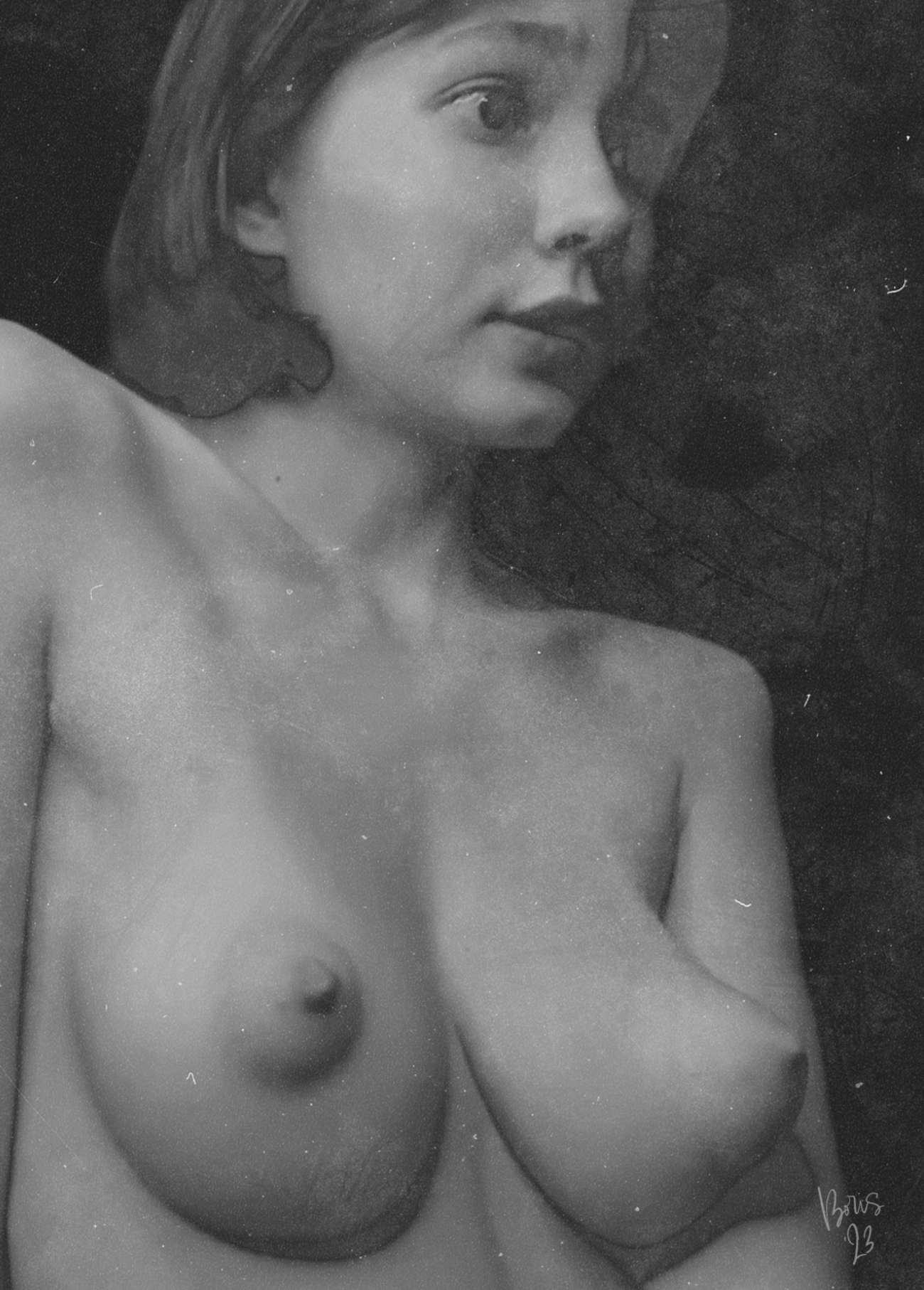
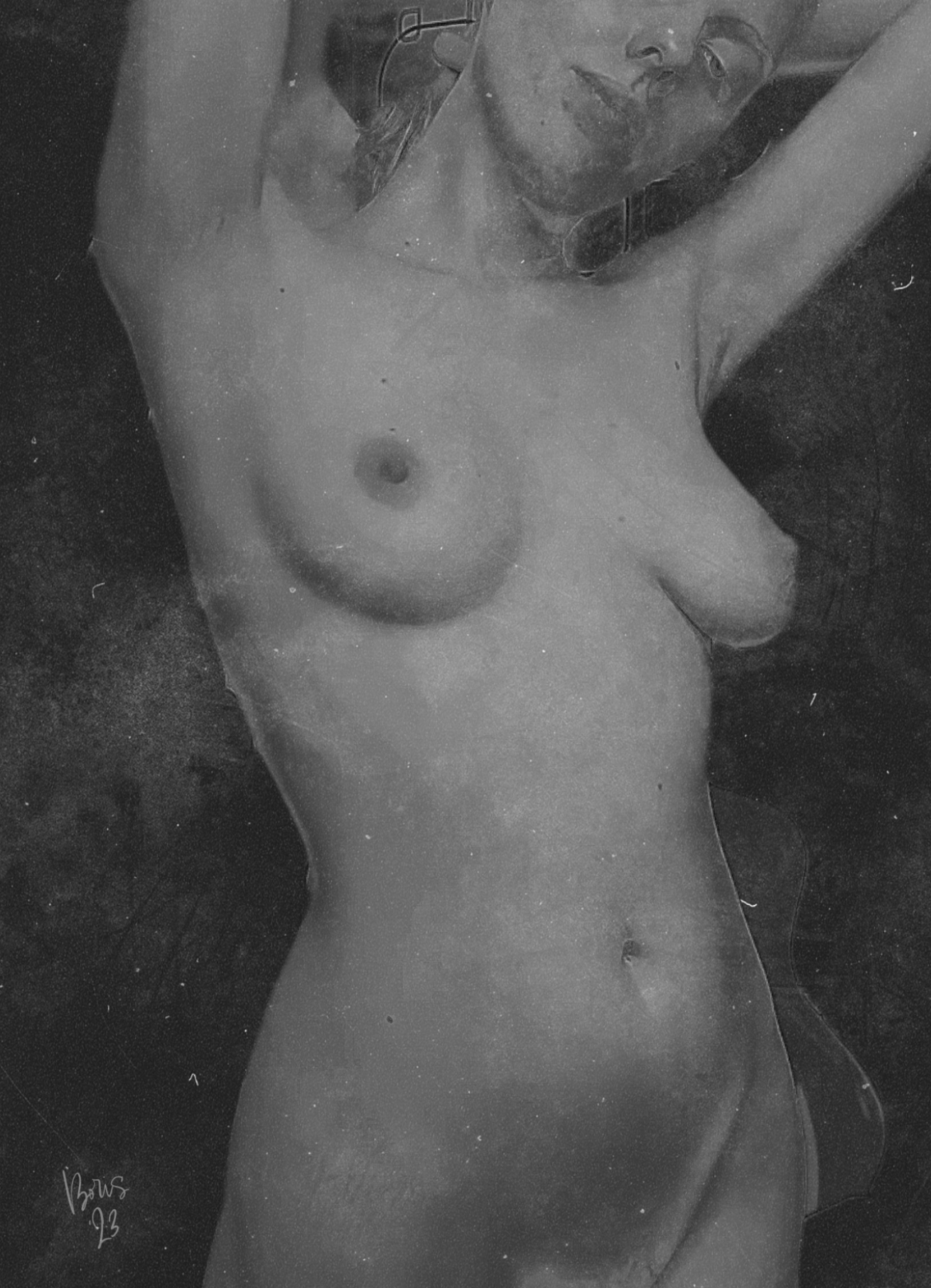
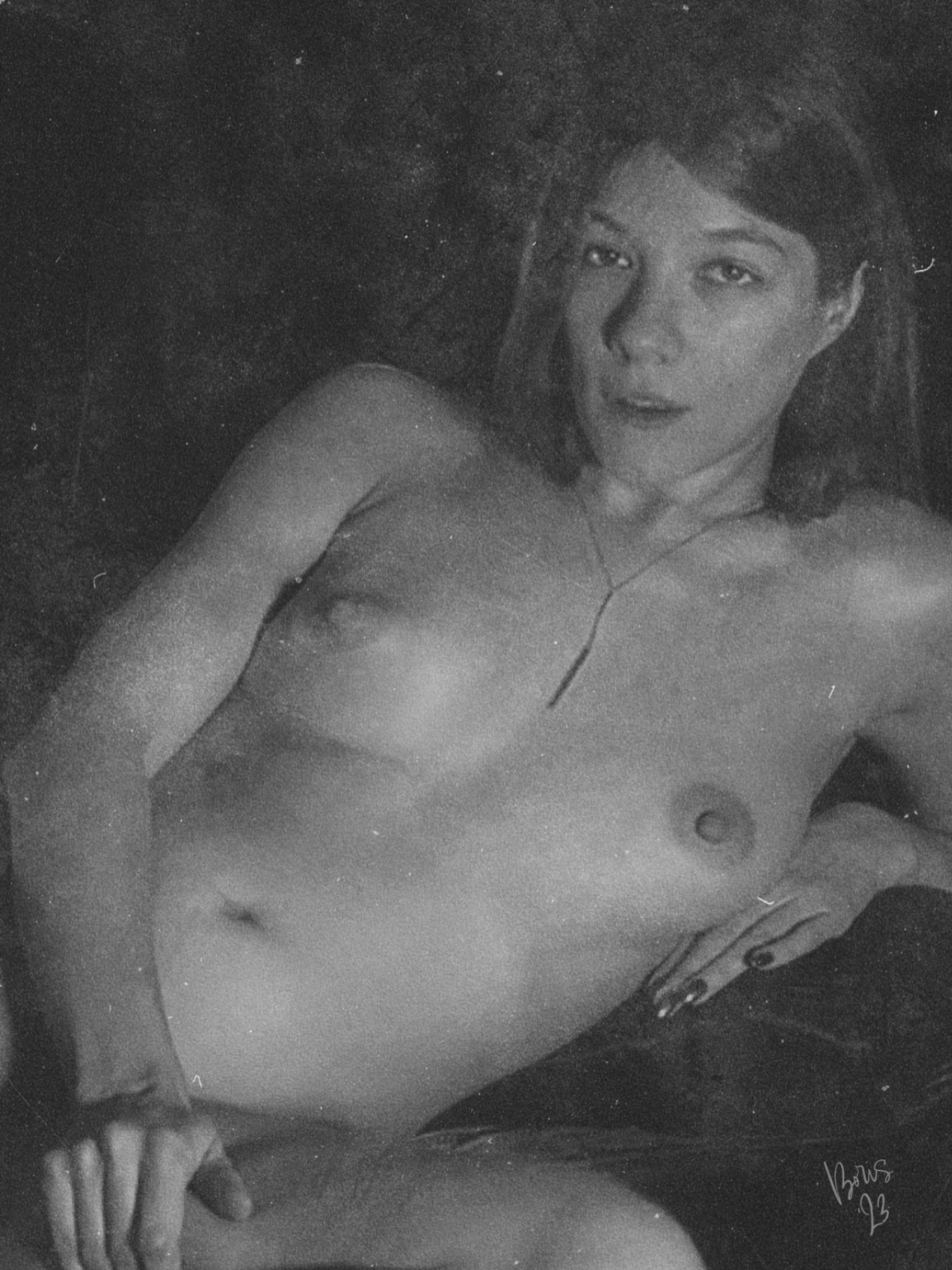
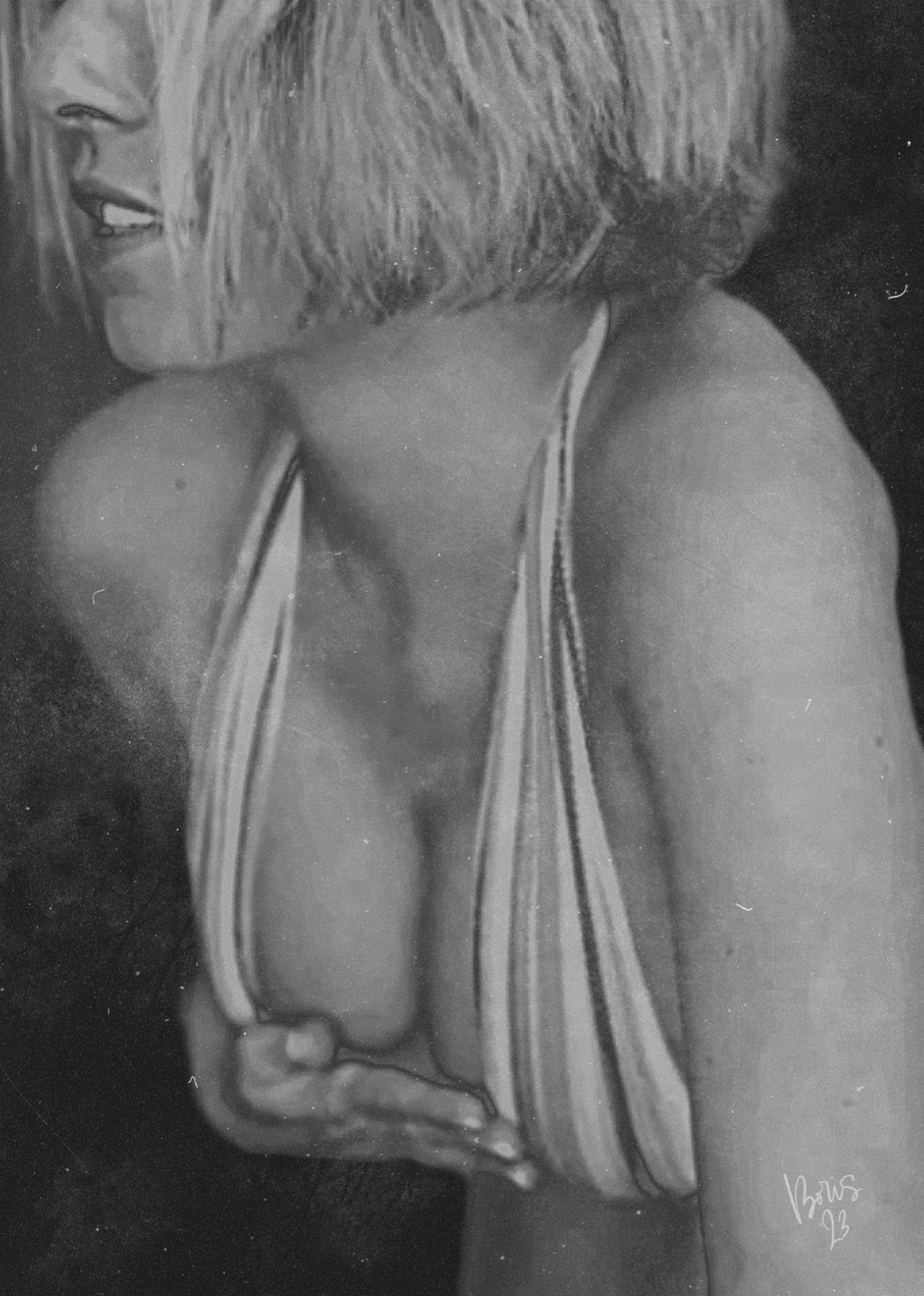
NOTEBOOK N.1
There is a phobia that requires no proclamation in order to exist: it is visible, palpable, measurable in the centimeters of skin withheld, in blurred pixels, in moral “beeps” that fracture the body’s continuity. We might name it, with a deliberately blunt term, “nipple-phobia”: the characteristic obsession of a certain strain of American media with the nipple, as though it were the minimal unit of scandal, the talismanic threshold that turns a torso into pornography, an image into guilt, a presence into an offence.
It is a curious economy. America is consummately skilled at representing violence, consuming it as narrative, marketing it as entertainment. Blood is often more permissible than milk; a weapon on screen is less disturbing than an areola. The body, by contrast, must be disciplined. Not nude: trained. Not natural: corrected. And, above all, segmented, because censorship rarely strikes nudity as an idea; it strikes a detail, a precise point on the body onto which collective anxiety can be projected. The nipple thus becomes a kind of road sign: here innocence ends, here sin begins.
This phobia does not arise in a vacuum. It is rooted in a puritan genealogy and in a culture that has learned to read nudity not as vulnerability, but as provocation. The problem is not the breast as anatomy; it is the breast as language, because it speaks without asking permission. And American media, dependent on permissions, contracts, sponsorships, and managed panic, would rather have the body not speak at all, or speak only in sanctioned dialects: fitness, glamour, consumption. The nipple, however, is interference. It is proof that the body is not merely a polished surface, but function, sensibility, life.
“Nipple-phobia” reveals itself, too, in its own absurdities: the asymmetry between male and female bodies, as though a “male” nipple were neutral while a “female” nipple were immediately sexual. This distinction pretends to be natural, yet it is entirely cultural: a moral taxonomy disguised as biology. And the more society declares itself free, the more it seems to harden around these micro-prohibitions, as though it required a ridiculous border in order not to admit that all borders are fragile.
In this theatre of censorship, the nipple becomes a political object. Not in service of any particular ideology, but because it stages control: who decides what may be seen? who determines when a body becomes “indecent”? and, above all, why should indecency reside in a point of the body rather than, if anywhere, in the gaze that consumes it? “Nipple-phobia” does not protect minors, nor does it safeguard public sensibility; it trains the public. It teaches shame toward what is ordinary, desire for what is denied, and the confusion of nudity with availability, skin with invitation.
And yet every censorship generates its own counter-narrative. The more one covers, the more one insists. The more one blurs, the more one fixates. The nipple becomes a symbol precisely because it is treated as a threat: a small anatomical detail forced to bear the entire weight of a modern sin, the idea that the body, if not controlled, might be free. Perhaps the most uncomfortable truth lies here: it is not the nipple that frightens American media, but what it implies. That the body is not a product, not a crime, not a topic to be moderated.
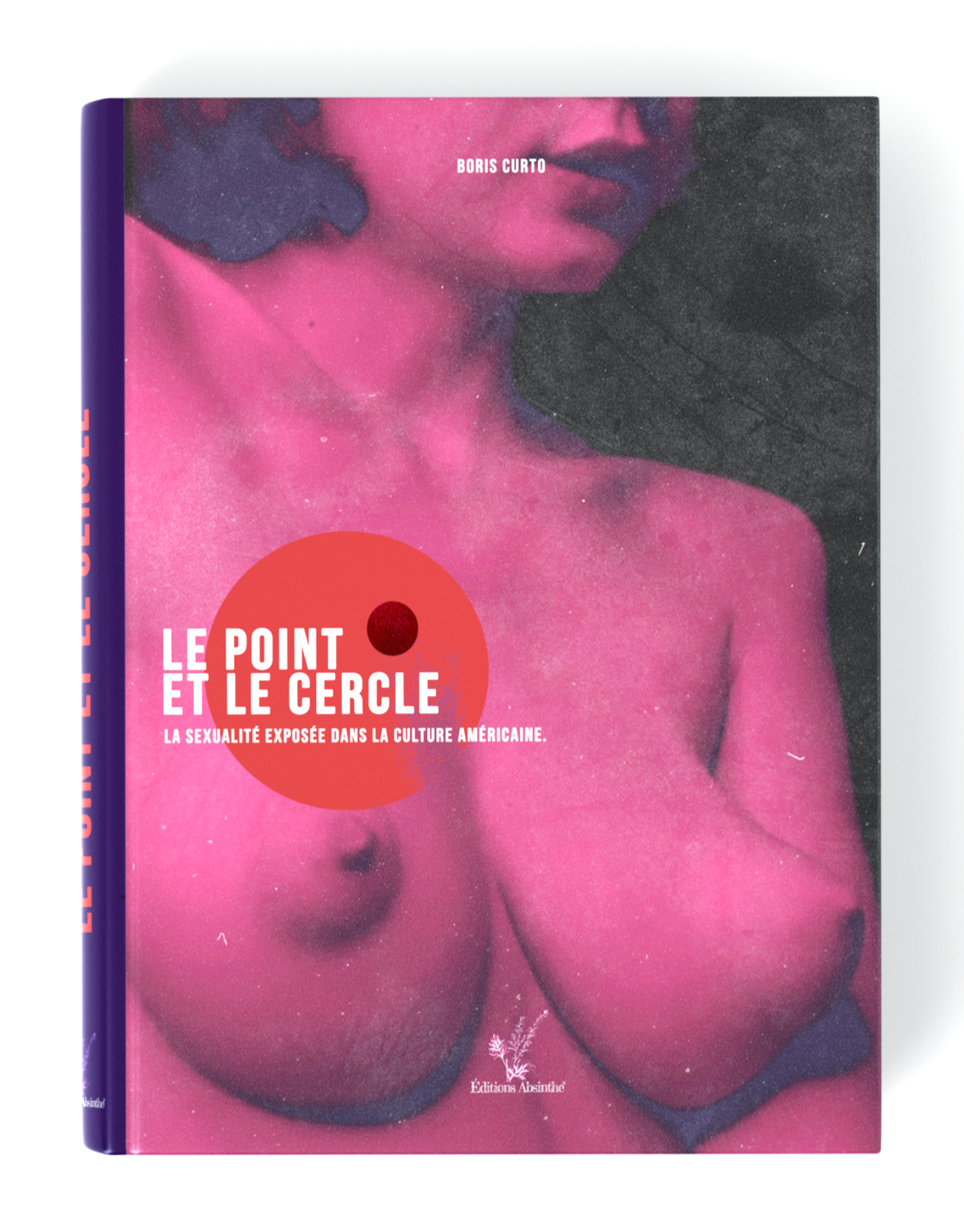
Boris Curto: “Le point et le cercle: La sexualité exposée dans la culture américaine”.
Editions L’Absinthe - Paris (2018).